The stock of fossil fuels is limited, but the risk is limitless. So, eliminating petroleum-based products from daily life is not only difficult but also not impossible. Keeping in mind the issue of environmental pollution, people are turning away from petroleum-based products towards bio-based products. They are searching for 'sustainable' solutions, i.e., renewable natural resources for regeneration and finding alternative pathways. It will be long-lasting, environmental friendly as well as providing sustainability to the environment and being beneficial to humanity.
The Global Shift Toward Bio-Materials
The demand for bio-materials made from renewable resources is now global. Scientists and technologists around the world are engaged in creating highly useful products such as bio-based fuels, fibers, films, foams, and fabrics, whose main components are bio-molecules like cellulose, starch, or proteins. The goal is to create biodegradable and compostable products using adequate and sustainable use of natural resources, which will significantly reduce greenhouse gas emissions.
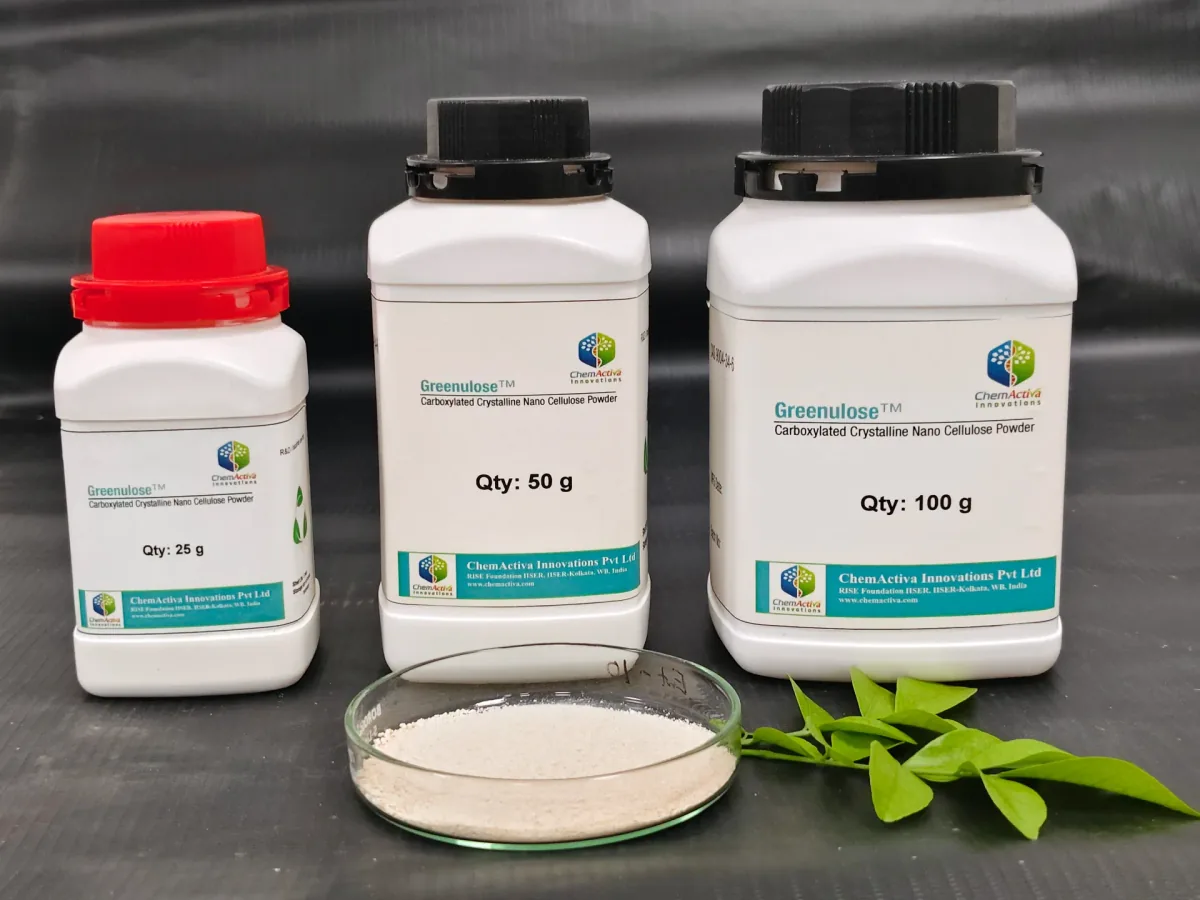
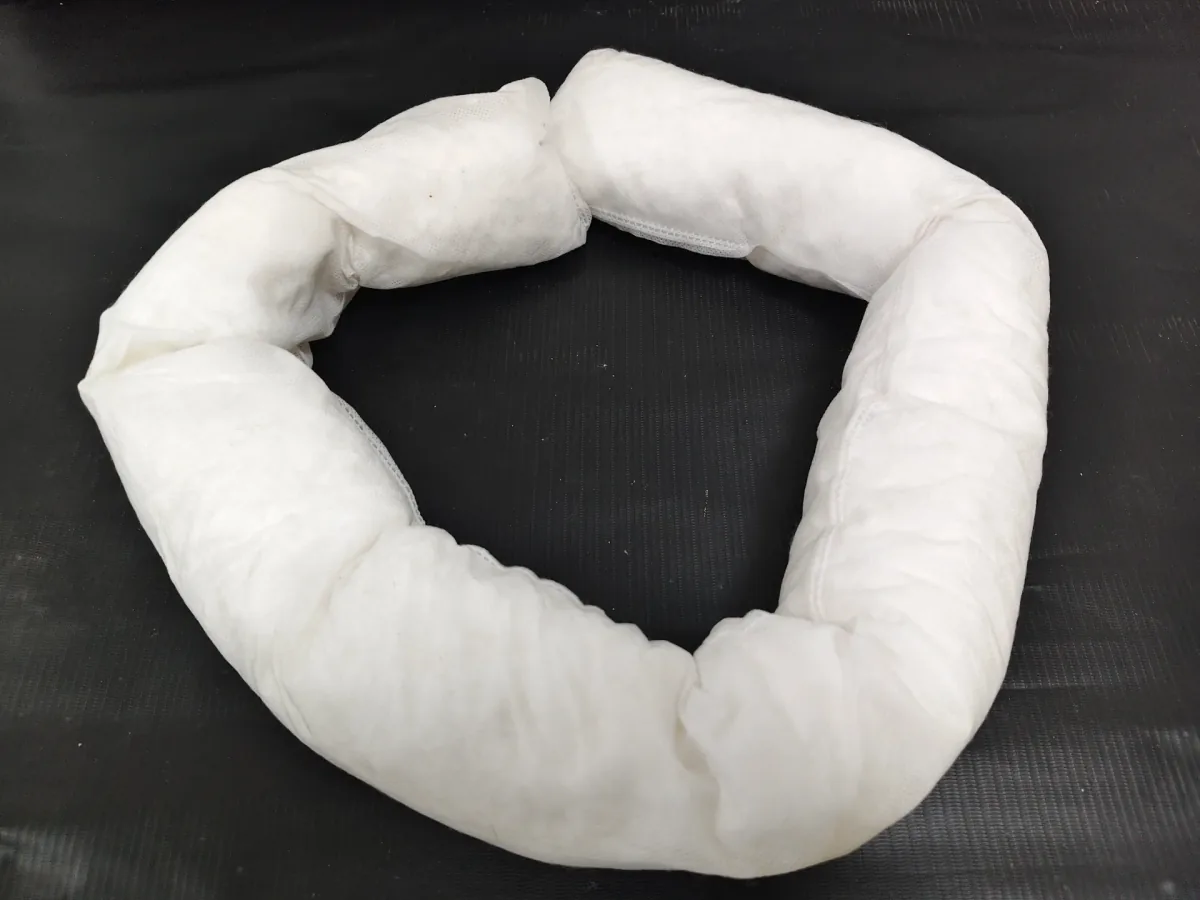
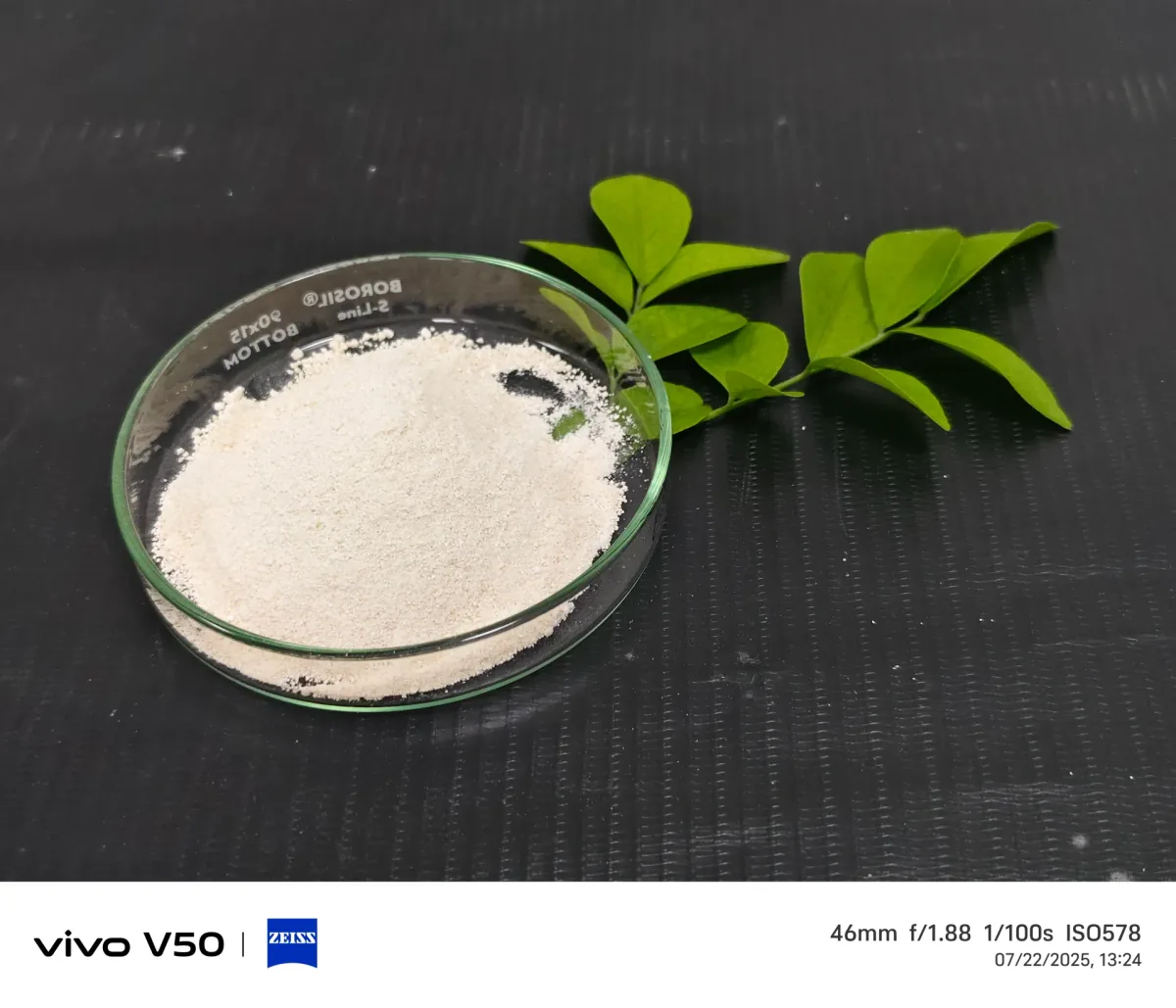
At ChemActiva Innovations, we are at the forefront of this transformation, developing advanced bio-based materials like Greenulos™ and our innovative oil spill kits that demonstrate the practical applications of sustainable chemistry.
Understanding Bio-Fibers: Nature's Gift to Industry
Bio-fibers obtained from renewable resources mainly are two types: plant and animal fibers.
Plant Fibers: The Foundation of Sustainable Textiles
Plant fibers refer to natural fibers obtained from plants, such as:
- Cotton: The most widely used natural fiber
- Jute: Traditional fiber with excellent strength properties
- Hemp: Versatile fiber with antimicrobial properties
- Bamboo: Fast-growing, naturally antibacterial
- Flax: Strong fiber used for linen production
- Sisal: Durable fiber from agave plants
- Kenaf: Alternative to wood pulp
- Pineapple leaves: Innovative use of agricultural waste
The production process involves separating plant biomass into monomers, which are then polymerized to create high molecular weight polymers through a polymerization process. Through appropriate spinning processes, these polymers are transformed into fibers.
Animal Fibers: Traditional Luxury Materials
Animal fibers include wool from sheep, silk from silkworms, and other natural materials that have been used in the textile and fashion industry for centuries. These materials represent the original sustainable fibers, having been developed through natural evolution.
Market Demand and Industry Applications
The demand for bio-fibers has increased due to awareness of circular economy practices and reducing carbon footprints. For a health-conscious society, the significant demand for bio-fibers is evident. The popularity of bio-fibers in the textile, packaging, and fashion industries is rising.
Innovative Applications in Modern Industry
Many renowned brands are incorporating bio-fibers into their products:
Bamboo Fiber Applications:
- Special types of socks with moisture-wicking properties
- High-quality bathrobes and towels
- Sanitary napkins with natural anti-bacterial properties
- Bedding materials with temperature regulation
Hemp/Cannabis Plant Fibers:
- High-quality clothing fabrics with durability
- Industrial textiles and ropes
- Automotive interior components
- Construction materials
Jute Fiber Innovations:
- 'Sonali Bags' as alternatives to non-biodegradable plastic bags
- Packaging materials for various industries
- Decorative and functional home textiles
- Composite materials for construction
Leading Companies in Bio-Fiber Innovation
Companies like Pact, No Nasties, and Grassroot are bringing fashionable dresses, sanitary napkins, and everyday essentials bags into the market, utilizing bio-fibers. Various startups are working on new ideas using plant-based fibers both nationally and internationally.
At ChemActiva, our work with cellulose nanocrystals (Greenulos™) contributes to this movement by providing enhanced properties to bio-based materials, making them more competitive with synthetic alternatives.
Global Policy and Regulatory Landscape
The European Union and other developed countries have long shifted their focus towards bio-based fibers, imposing restrictions on petroleum-based synthetic fibers. This regulatory environment creates both challenges and opportunities for companies working in sustainable materials.
The Challenge in Developing Markets
Despite various bans on the use of petroleum-based products worldwide, countries like India still witness extensive usage of plastic bags in the market. It has been long since plastic bags below 50 microns were prohibited in this country. But the use of it in the markets has been so rampant that now we are at the point of backtracking.
We keep mum, like silent spectators, let alone raise a protest against this malpractice. Our nuclear families in theory do not live up to this ideal in practice, as we use separate bags for separate vegetables. What an irony!
The question also arises: how can coffee cups with plastic lining be biodegradable? Perhaps in the days ahead we'll cease to exist while in search of light in the womb of darkness or darkness in the womb of light, and then, to be true, though hard a reality, we'll have no scope at all to raise the slogan of being "sustainable."
ChemActiva's Contribution to Bio-Fiber Innovation
Nanocellulose Enhancement
Our Greenulos™ technology provides significant enhancements to bio-fiber properties:
Mechanical Properties:
- Increased tensile strength in bio-fiber composites
- Enhanced durability and longevity
- Improved resistance to wear and tear
Functional Properties:
- Better moisture management
- Enhanced barrier properties
- Improved processability
Environmental Benefits:
- 100% biodegradable enhancement
- Minimal carbon footprint addition
- Renewable resource utilization
Sustainable Chemistry Applications
Our research in sustainable chemicals directly supports bio-fiber development:
- Green Processing Aids: Environmentally friendly chemicals for fiber processing
- Bio-Based Additives: Natural alternatives to synthetic fiber treatments
- Biodegradable Finishing Agents: Sustainable solutions for textile finishing
The Economics of Sustainable Transition
Cost Considerations
The transition to bio-fibers involves several economic factors:
Initial Investment:
- Higher setup costs for bio-fiber processing
- Investment in new technology and equipment
- Training and skill development requirements
Long-term Benefits:
- Reduced raw material costs (renewable sources)
- Lower environmental compliance costs
- Premium pricing for sustainable products
- Reduced waste disposal expenses
Market Opportunities
Consumer Demand:
- Growing awareness of environmental issues
- Preference for natural and organic products
- Willingness to pay premium for sustainability
- Corporate sustainability commitments
Regulatory Drivers:
- Government incentives for bio-based products
- Restrictions on synthetic materials
- International trade preferences for sustainable goods
- Carbon credit opportunities
Technical Innovations and Future Developments
Advanced Processing Technologies
Biotechnology Integration:
- Enzymatic processing for cleaner production
- Fermentation-based fiber production
- Genetic optimization of fiber properties
- Bioengineering for enhanced characteristics
Nanotechnology Applications:
- Nanocellulose reinforcement (our specialty at ChemActiva)
- Surface modification for specific properties
- Smart fibers with responsive characteristics
- Enhanced performance through nano-additives
Emerging Bio-Fiber Sources
Agricultural Waste Utilization:
- Rice straw and wheat straw fibers
- Corn husks and sugarcane bagasse
- Fruit and vegetable processing waste
- Algae-based fiber development
Novel Plant Sources:
- Fast-growing energy crops
- Salt-tolerant plants for marginal lands
- Genetically optimized fiber crops
- Perennial grass species
Environmental Impact and Life Cycle Assessment
Carbon Footprint Analysis
Bio-Fiber Advantages:
- Carbon sequestration during plant growth
- Lower processing energy requirements
- Biodegradable end-of-life disposal
- Renewable resource regeneration
Comparative Analysis:
- 60-80% lower greenhouse gas emissions vs. synthetic fibers
- Reduced water pollution during production
- Minimal toxic chemical usage
- Sustainable waste management
Circular Economy Integration
Closed-Loop Systems:
- Fiber-to-fiber recycling capabilities
- Composting and biodegradation pathways
- Agricultural nutrient return
- Waste minimization strategies
Challenges and Solutions
Technical Challenges
Performance Gaps:
- Lower durability compared to synthetics
- Inconsistent quality from natural variation
- Limited processing temperature ranges
- Moisture sensitivity issues
ChemActiva's Solutions:
- Nanocellulose reinforcement for enhanced properties
- Quality standardization through advanced processing
- Surface modification for improved performance
- Protective treatments using bio-based chemicals
Market Challenges
Supply Chain Issues:
- Seasonal availability of raw materials
- Transportation and storage requirements
- Quality consistency across suppliers
- Scale-up challenges for large-scale production
Strategic Approaches:
- Diversified supplier networks
- Local sourcing strategies
- Quality assurance programs
- Technology partnerships for scaling
The Role of Education and Awareness
Consumer Education
Key Messages:
- Understanding the environmental impact of fiber choices
- Quality and performance of bio-fibers
- Proper care and maintenance of bio-fiber products
- End-of-life disposal options
Industry Education
Technical Training:
- Bio-fiber processing techniques
- Quality control methodologies
- Sustainable manufacturing practices
- Innovation in bio-fiber applications
Future Outlook: 2025-2030
Technology Roadmap
Short-term Goals (2024-2025):
- Improved cost competitiveness with synthetics
- Enhanced performance characteristics
- Expanded application areas
- Better supply chain integration
Medium-term Vision (2025-2027):
- Mainstream adoption in major industries
- Advanced functional properties
- Integration with smart technologies
- Global market penetration
Long-term Aspirations (2027-2030):
- Complete replacement of synthetics in key applications
- Carbon-negative production systems
- Fully circular bio-fiber economy
- Revolutionary new applications
Policy Recommendations
Government Support:
- Research and development funding
- Tax incentives for bio-fiber adoption
- Regulatory support for sustainable materials
- International cooperation on standards
Industry Initiatives:
- Collaborative research programs
- Shared technology platforms
- Supply chain optimization
- Consumer awareness campaigns
Conclusion: Building a Sustainable Future
The transition to bio-fibers represents more than just a materials substitution; it represents a fundamental shift toward a sustainable, circular economy. The challenges are real, but so are the opportunities.
At ChemActiva Innovations, we are committed to supporting this transition through our advanced nanocellulose technology and sustainable chemistry solutions. Our Greenulos™ technology and bio-based chemicals provide the performance enhancements needed to make bio-fibers competitive with synthetic alternatives while maintaining their environmental advantages.
The question is not whether we will transition to bio-fibers, but how quickly we can make this transition while maintaining the quality and performance standards that modern applications demand. The future is bio-based, and that future is being built today through innovation, dedication, and a commitment to environmental stewardship.
As we face the dual challenges of resource depletion and environmental degradation, bio-fibers offer a path forward that is both technologically advanced and environmentally responsible. The stock of fossil fuels may be limited, but our capacity for innovation is limitless.
Dr. Goutam Kulsi is the Founding Director and CEO of ChemActiva Innovations Pvt Ltd. With a Ph.D. from CSIR-IICB Kolkata and postdoctoral experience at Seoul National University, he leads the company's mission to develop sustainable solutions for global environmental challenges. This article originally appeared in Ei Samay News Paper, Times of India Group.
Contact: goutam.kulsi@gmail.com
ChemActiva Innovations: chemactiva.innovations@gmail.com